How to Identify Bias in Materiality Assessments
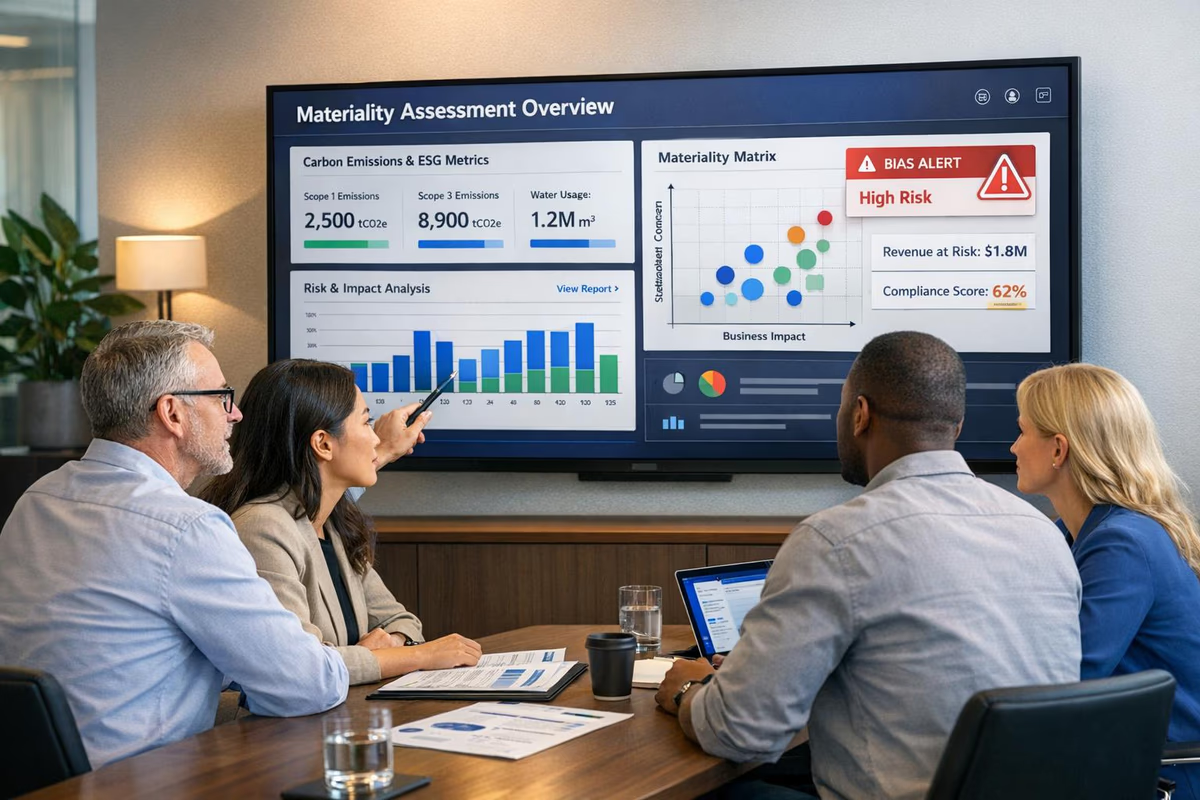
Practical steps to spot and remove selection, recency and aggregation bias in materiality assessments with documented methods, representative sampling, clear scoring and tech.
Insights
Practical explainers on ESG, carbon accounting, and sustainability reporting.

Practical steps to spot and remove selection, recency and aggregation bias in materiality assessments with documented methods, representative sampling, clear scoring and tech.

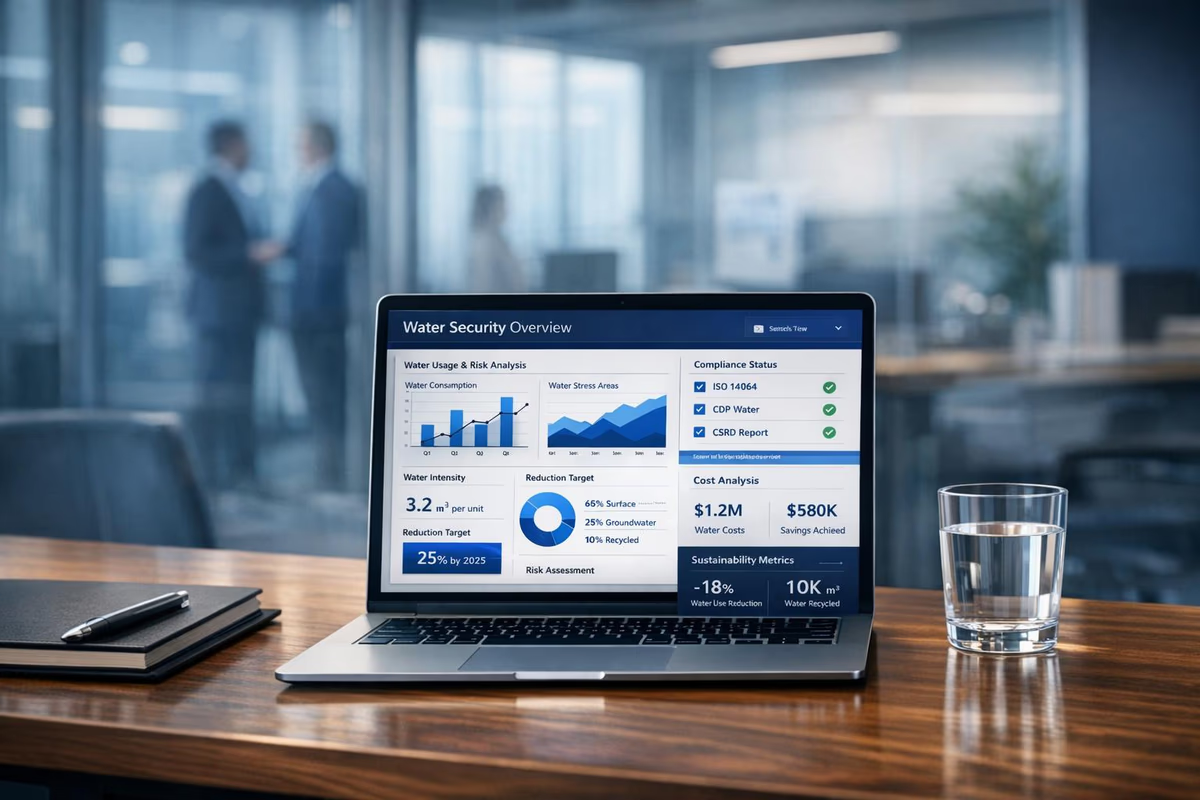
Guide to CDP Water Security 2025: key dates, C = W − D accounting, sector rules, scoring and steps to prepare audit-ready water disclosures.

Accountants must integrate auditable ESG data into financial systems to manage risks and boost firm valuation.

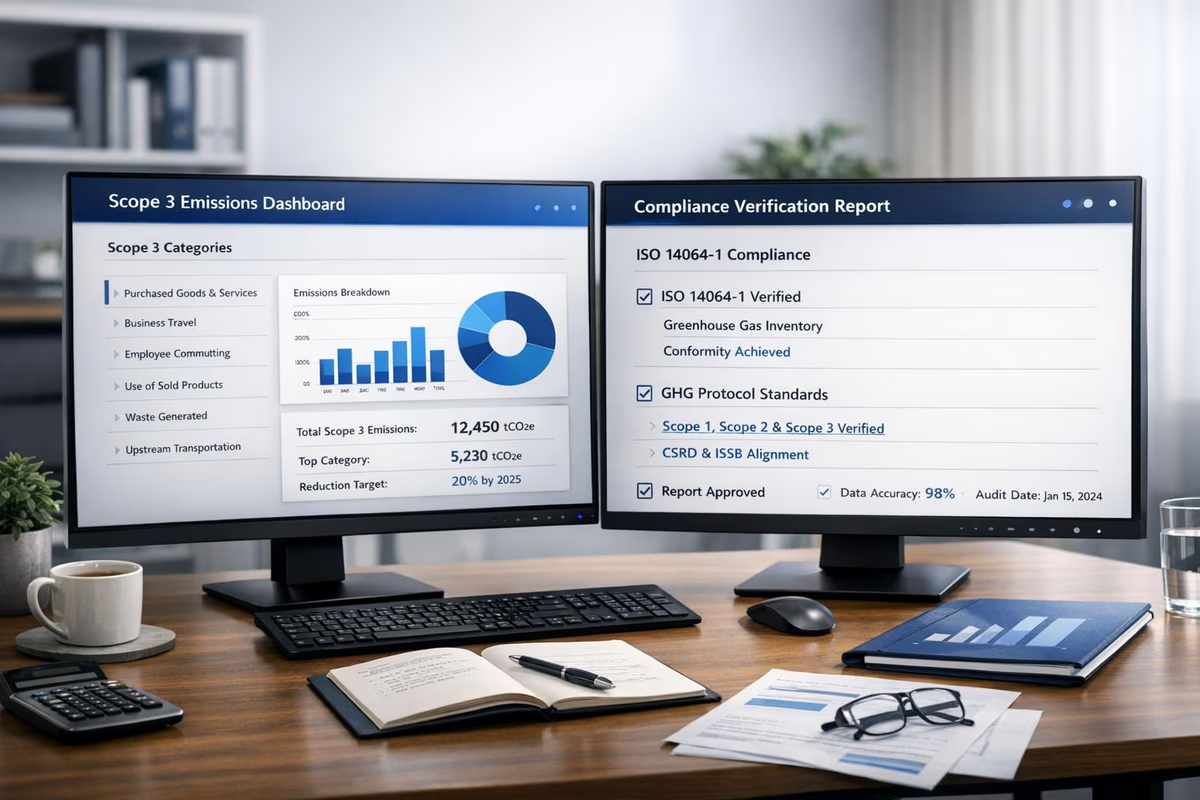
Compare GHG Protocol and ISO 14064 for Scope 3 reporting: how they differ in category detail, calculation approach and verification for audit-ready emissions data.

Link financial ledgers to live emissions data to continuously track Scope 1, 2 and 3, improve accuracy, ensure audit readiness and simplify compliance.

Clear guidance on classifying IT hardware emissions into Scope 1, 2 and 3 — generators, electricity, manufacturing and disposal — plus reporting tips.

A practical CSRD checklist for accountants: assess eligibility, map Scope 3 supply chain emissions, collect and validate supplier data, and automate audit‑ready reporting.

Systematic stakeholder prioritisation sharpens materiality assessments by mapping, weighting and ongoing engagement, linking ESG priorities to finance-grade data.

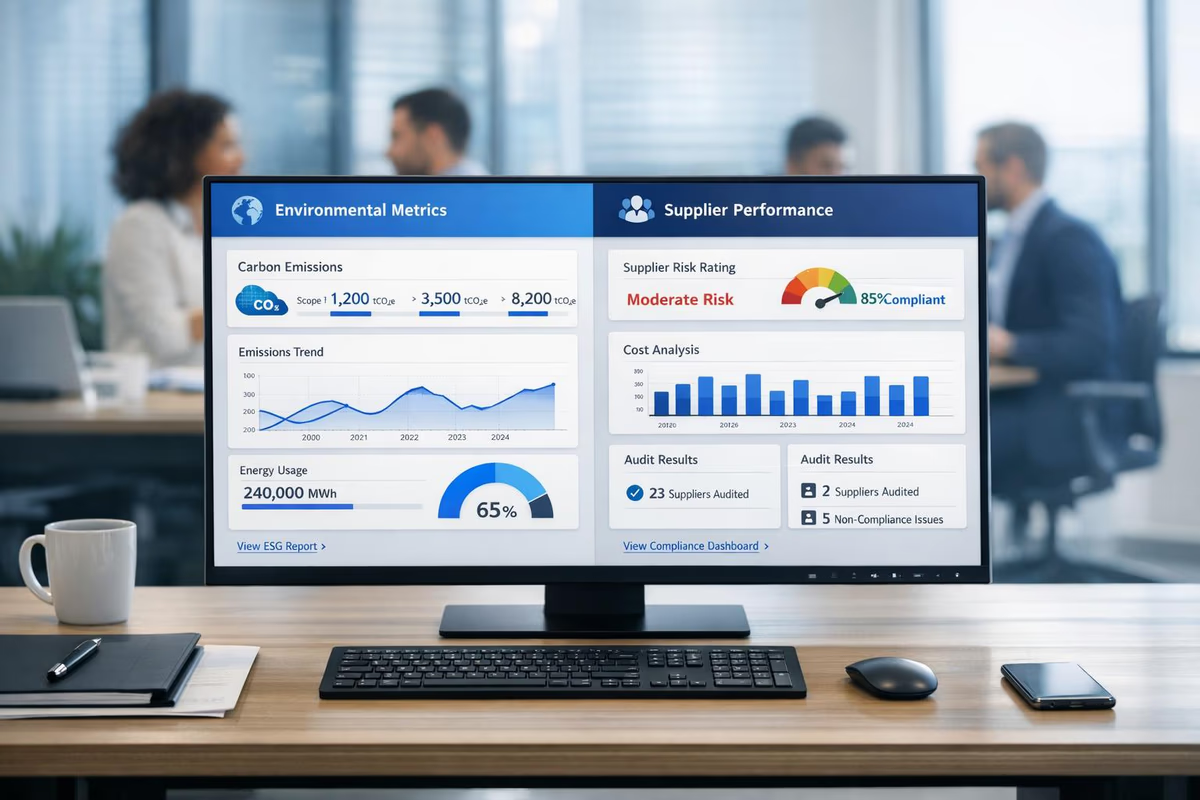
Fix common ESG data collection mistakes in supply chains—missing supplier data, spreadsheet errors, inconsistent metrics and weak audit trails.

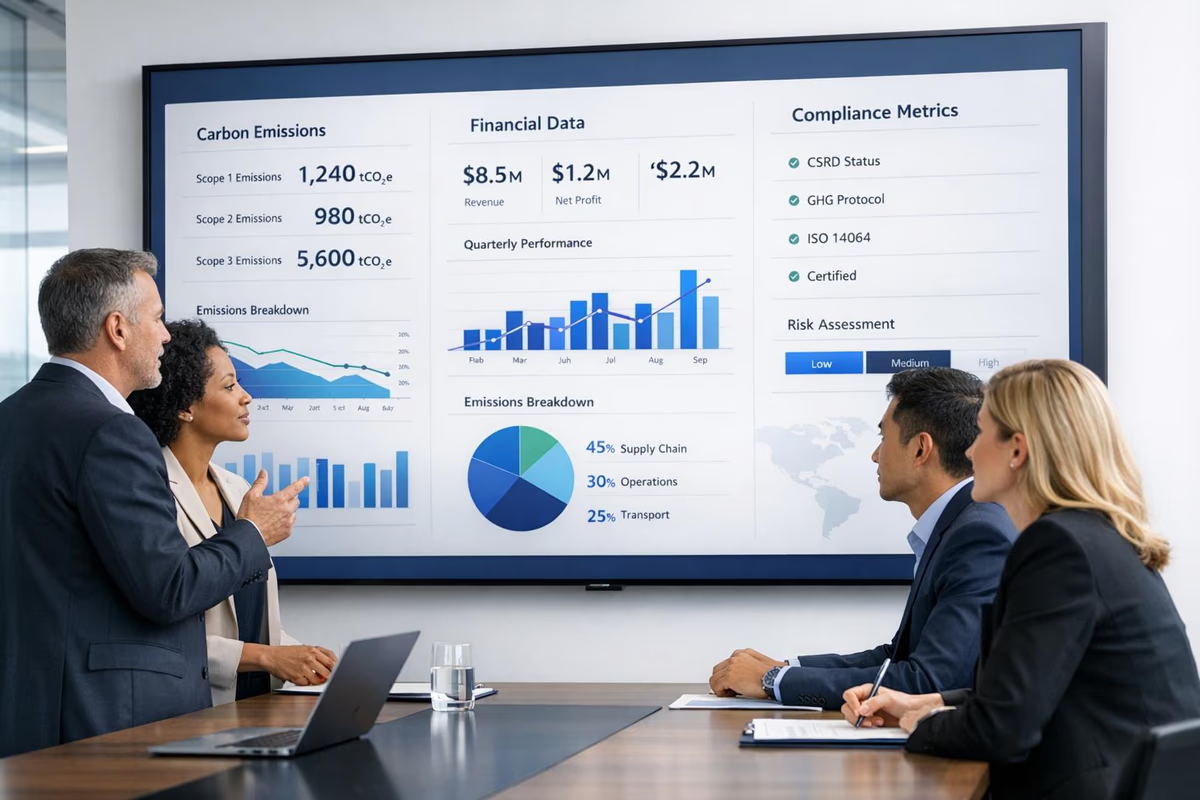
Investor-focused ESG reporting that links sustainability metrics to financial statements, meets UK SRS/ISSB, and delivers audit-ready transaction-level data.

Linking financial ledgers to emissions data creates audit-ready, automated sustainability reports and turns accounting into a strategic decarbonisation tool.

Practical UK-GDPR aligned security steps for accounting firms: role-based access, encryption, MFA, staff training, incident plans and vendor audits.