
Sustainability & ESG
Ultimate Guide to ESG Stakeholder Prioritisation
A practical 5-step guide to identify, engage and prioritise ESG stakeholders, set material KPIs and automate audit-ready reporting.
7 January 2026 16 min read
Insights
Practical explainers on ESG, carbon accounting, and sustainability reporting.
A practical 5-step guide to identify, engage and prioritise ESG stakeholders, set material KPIs and automate audit-ready reporting.
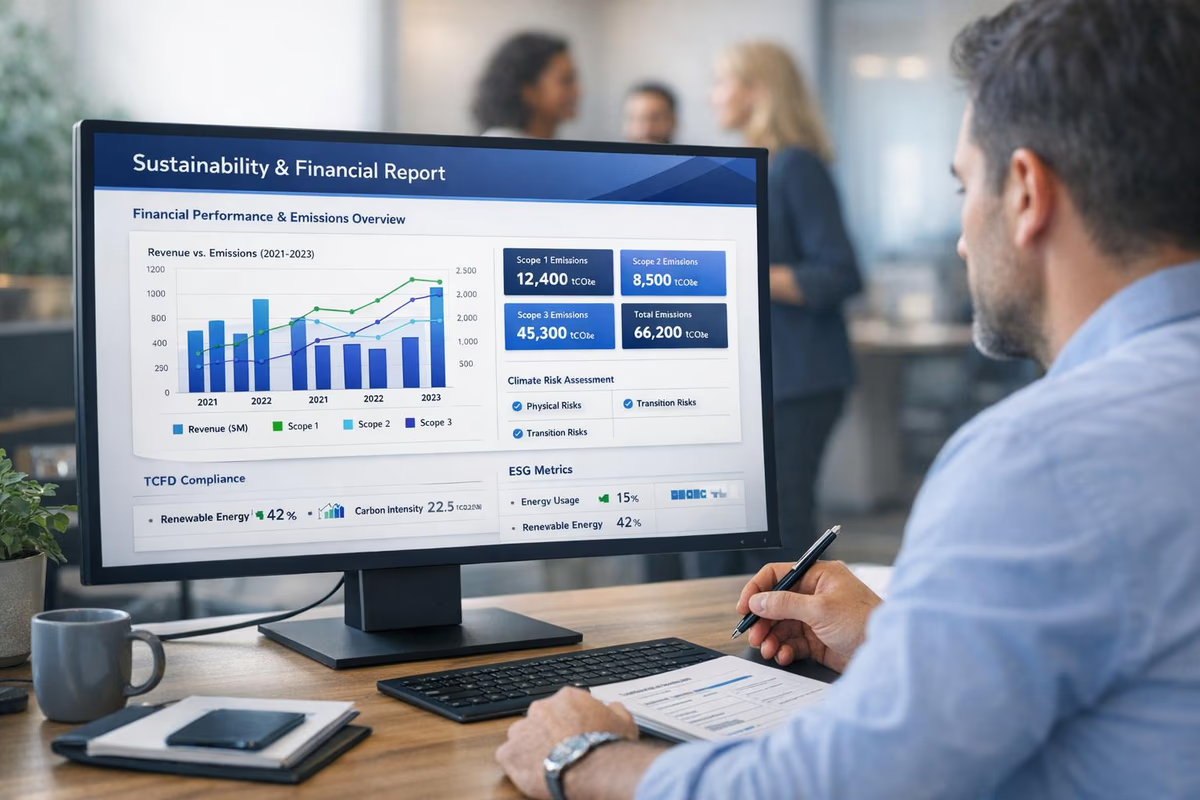
Five common TCFD reporting pitfalls — incomplete Scope 1‑3 data, calculation errors, weak supplier validation, misaligned governance and poor audit traceability.

Use APIs to automate Scope 3 data collection—integrating ERPs and supplier systems to deliver real‑time, audit‑ready emissions data and cut manual effort.

Compare six platforms that automate Scope 3 emissions, validate supplier data and produce audit-ready reports for UK sustainability standards.

How ISO 14064 and Life Cycle Assessment help UK firms meet CSRD, SECR and SEC rules, verify Scope 1–3 emissions and reduce greenwashing risk.

How to link sustainability metrics with financial reports for audit-ready, compliant disclosures — automated ledger mapping of Scope 1–3, improved accuracy and advisory revenue.
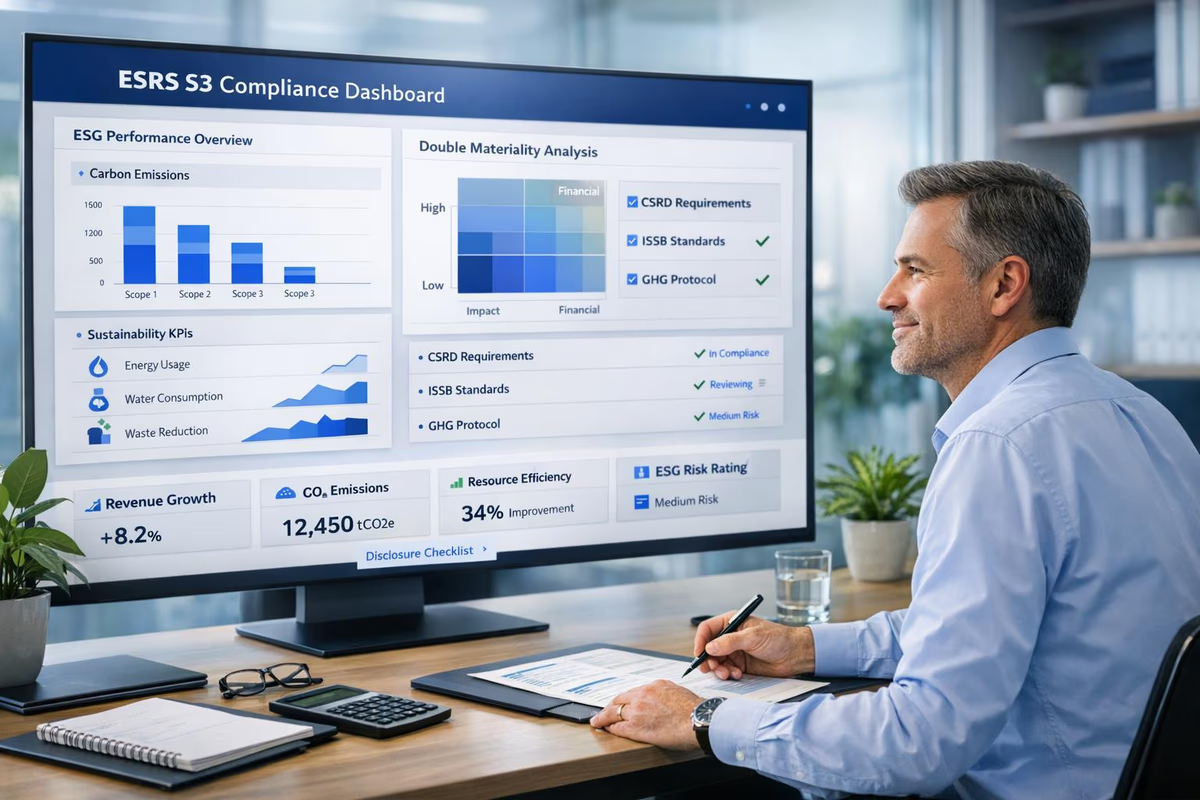
ESRS S3 guidance for accountants on double materiality, community disclosures, governance, data collection and preparing audit-ready CSRD reports.

Compare ISSB, GRI and UK SRS materiality approaches and learn how integrated financial‑sustainability data simplifies reporting and audit readiness.
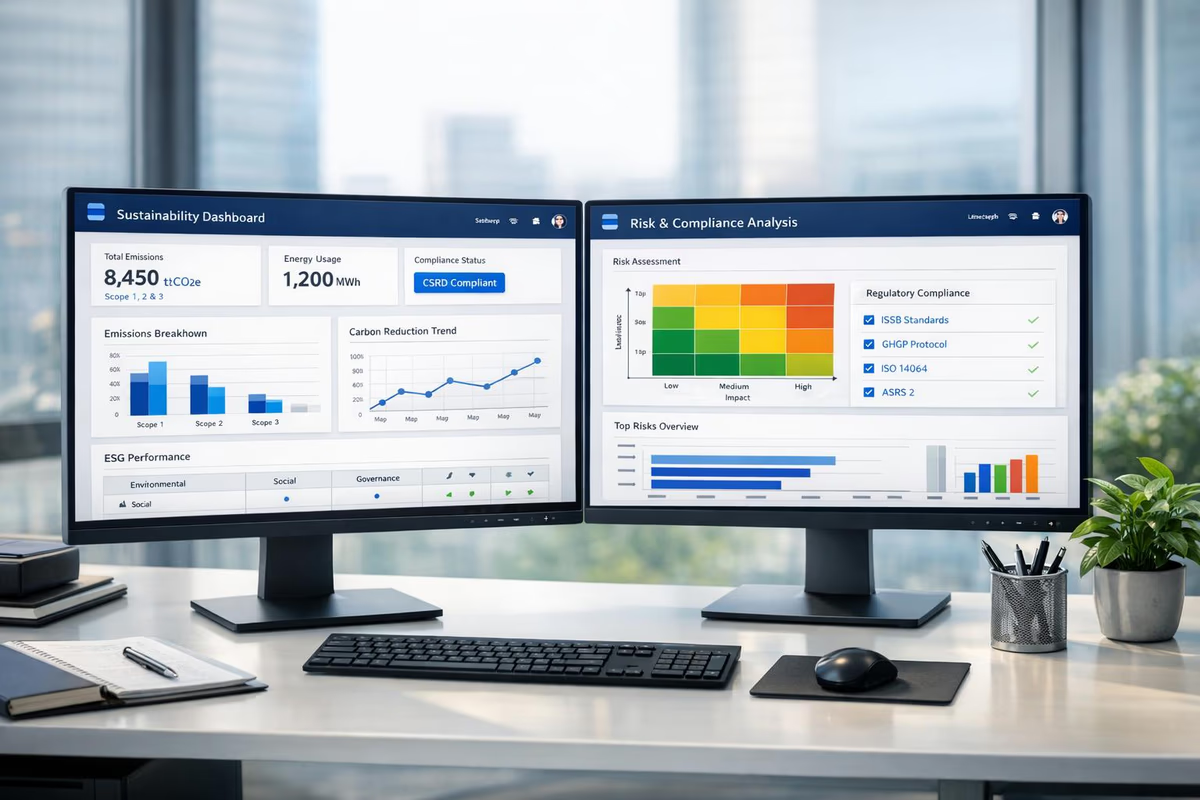
Checklist to align materiality and risk analysis with IFRS S1/S2: set thresholds, prioritise risks and automate audit‑ready sustainability reporting.

Compare UK SECR/SRS with Australia’s ASRS 2 — key differences in Scope 3, sector impacts, timelines and data needs to plan cross‑border ESG reporting.

Overview of Canada’s CSDS 1 & 2 (from Jan 2025): voluntary, climate-first disclosures; Scope 1–2 required now, Scope 3 after a three‑year transition; align with financials.

How integrating stakeholder training into an ESG roadmap builds skills, improves data quality, ensures regulatory compliance and audit readiness.