
Sustainability & ESG
IRIS+ Metrics Integration Explained
Accountants can convert financial data into IRIS+ metrics for automated, audit‑ready sustainability reports using Xero, Sage or QuickBooks.
2 December 2025 14 min read
Insights
Practical explainers on ESG, carbon accounting, and sustainability reporting.
Accountants can convert financial data into IRIS+ metrics for automated, audit‑ready sustainability reports using Xero, Sage or QuickBooks.
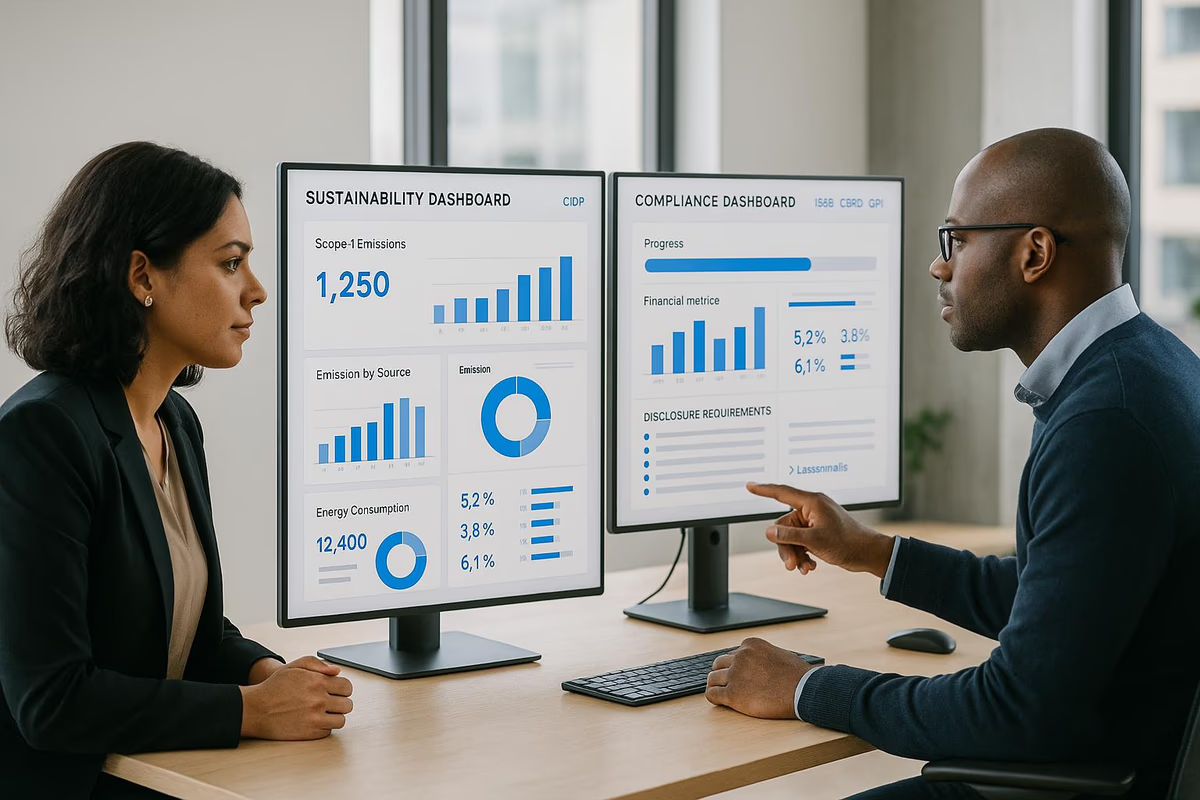
No single framework fits all: compare CDP, ISSB (IFRS S1/S2), CSRD and GRI to choose the right sustainability reporting approach and meet compliance.

Stakeholder engagement shapes ESG audits by defining material issues, guiding audit focus and requiring documented, audit-ready evidence for credible reporting.

Practical steps for firms to fix fragmented data, align reporting frameworks and cut duplicated work using centralised, audit‑ready integrated reporting.

Integrate ESG into finance to grow revenue, cut costs and reduce regulatory, climate and reputational risks with audit-ready sustainability reporting.
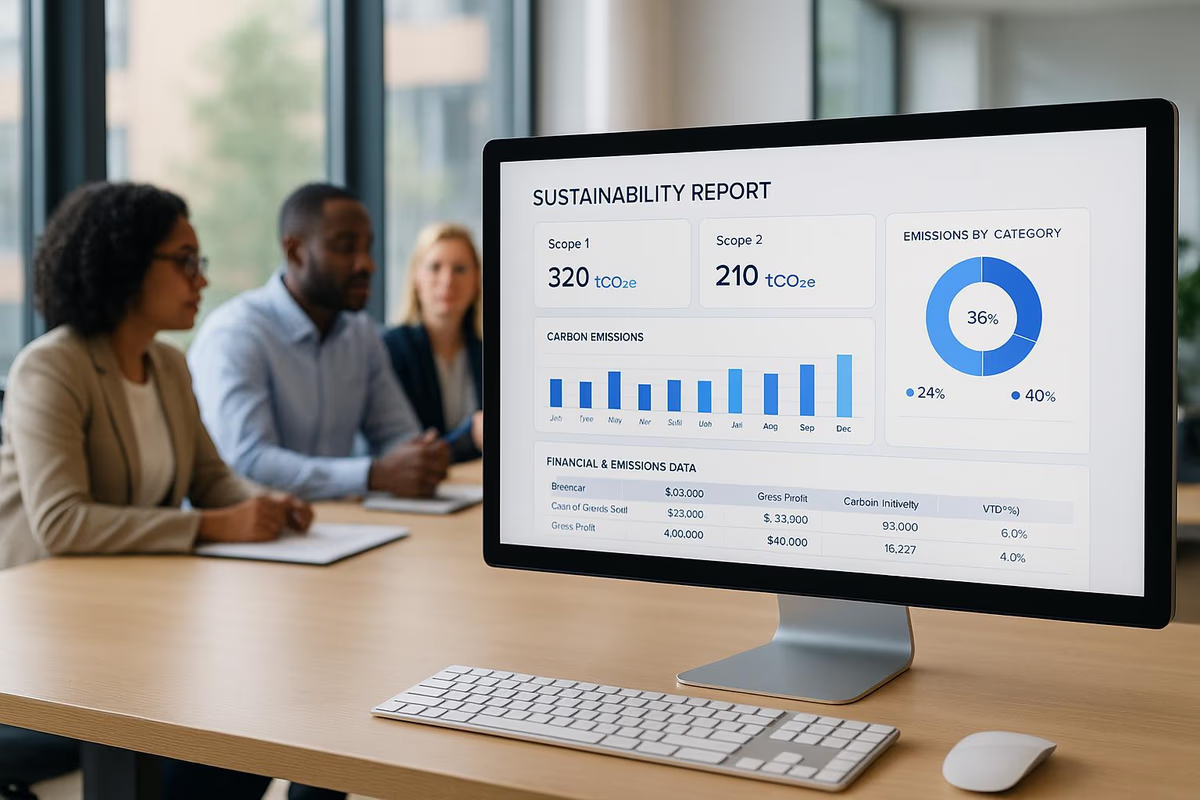
Emission factors are crucial for accurate carbon accounting, ensuring reliable reporting and compliance with sustainability frameworks.

Learn how to align stakeholder feedback with ESG goals by identifying priorities, analysing input, and ensuring transparency in reporting.
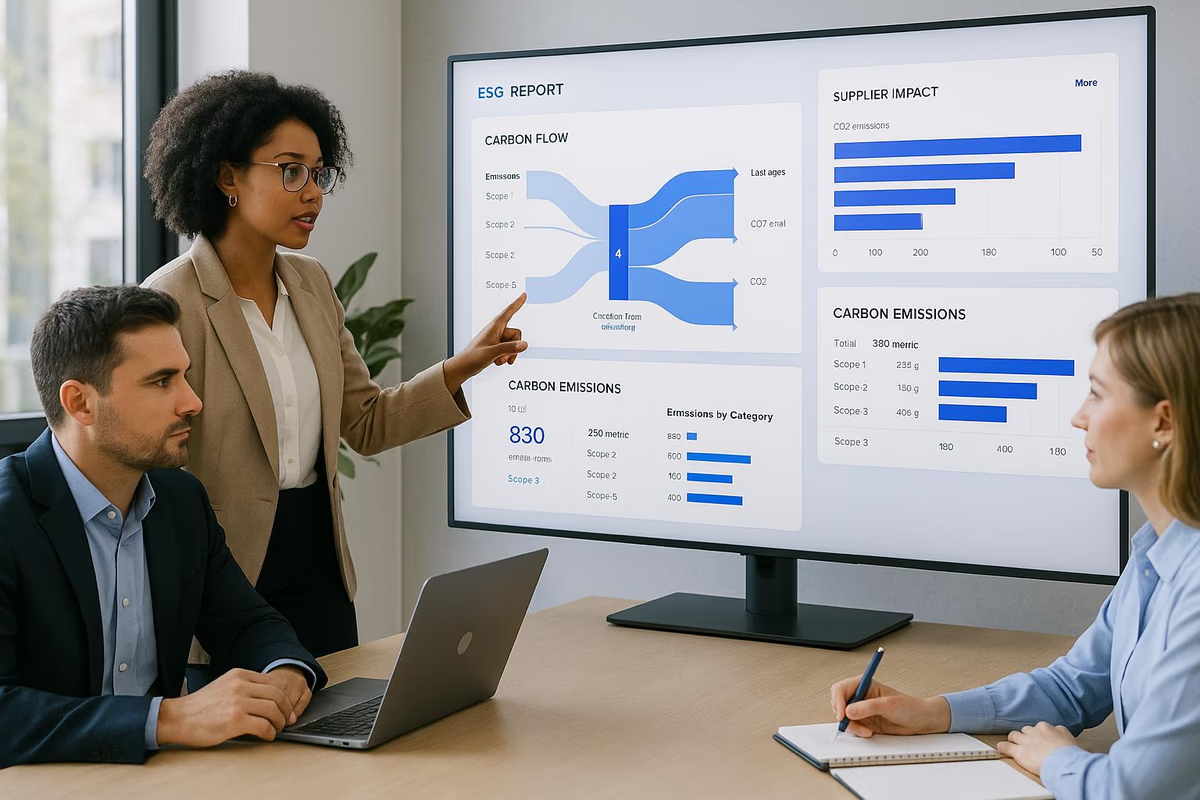
Learn how integrating supplier ESG data into carbon reporting enhances compliance, improves decision-making, and builds stronger stakeholder trust.

Learn how to assess materiality for AASB S2 compliance, including risk identification, financial impact evaluation, and the role of technology.

Explore the privacy and security features of SDG reporting tools essential for UK accounting firms navigating compliance and data protection.

Understanding carbon risk is vital for accountants, affecting compliance, operational costs, and market reputation in a changing financial landscape.

Explore the importance of emissions tracking in B Corp certification, including Scope 1, 2, and 3 emissions and effective reporting tools.