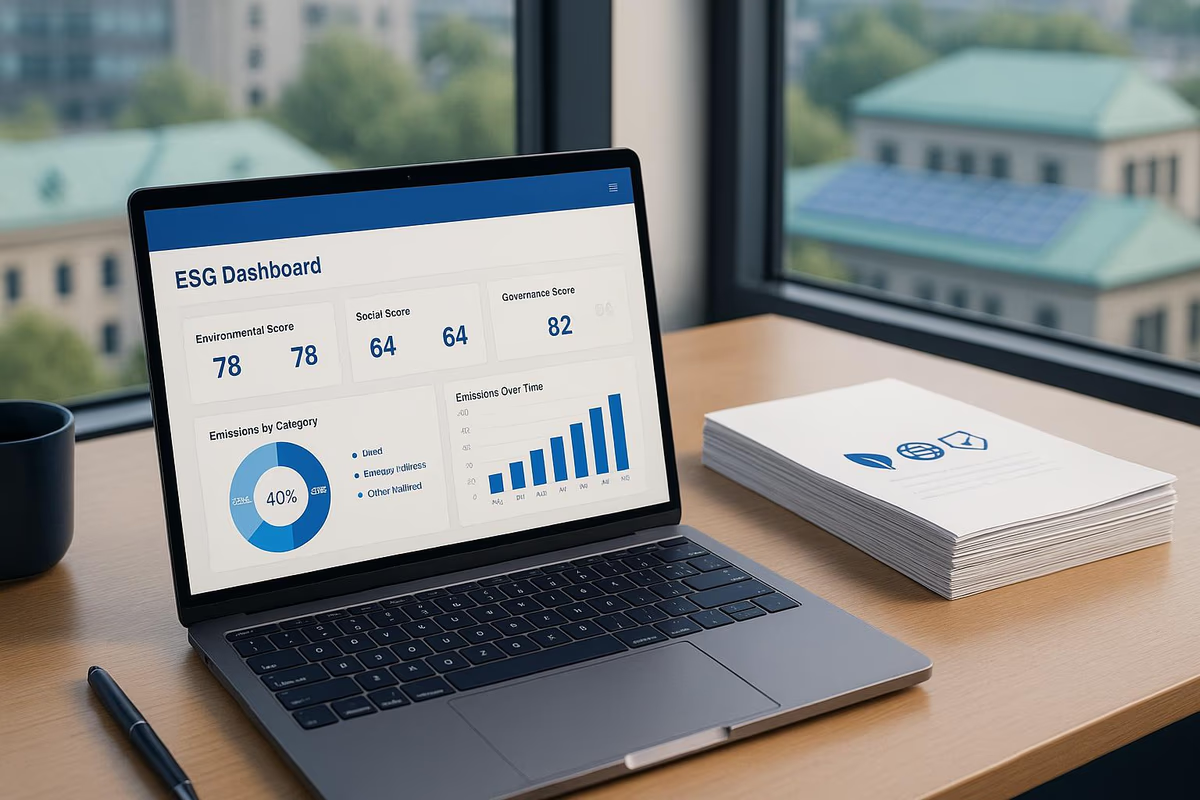
Sustainability & ESG
How to Document ESG Materiality Evidence
Learn how to effectively document ESG materiality evidence to ensure compliance and build stakeholder trust in your sustainability efforts.
18 July 2025 19 min read
The neoeco blog
Articles, webinars, and explainers on financially-integrated sustainability, ESG reporting, and carbon accounting.
Learn how to effectively document ESG materiality evidence to ensure compliance and build stakeholder trust in your sustainability efforts.

UK organisations must now align sustainability with financial risk management under the CSRD, focusing on double materiality and technology solutions.
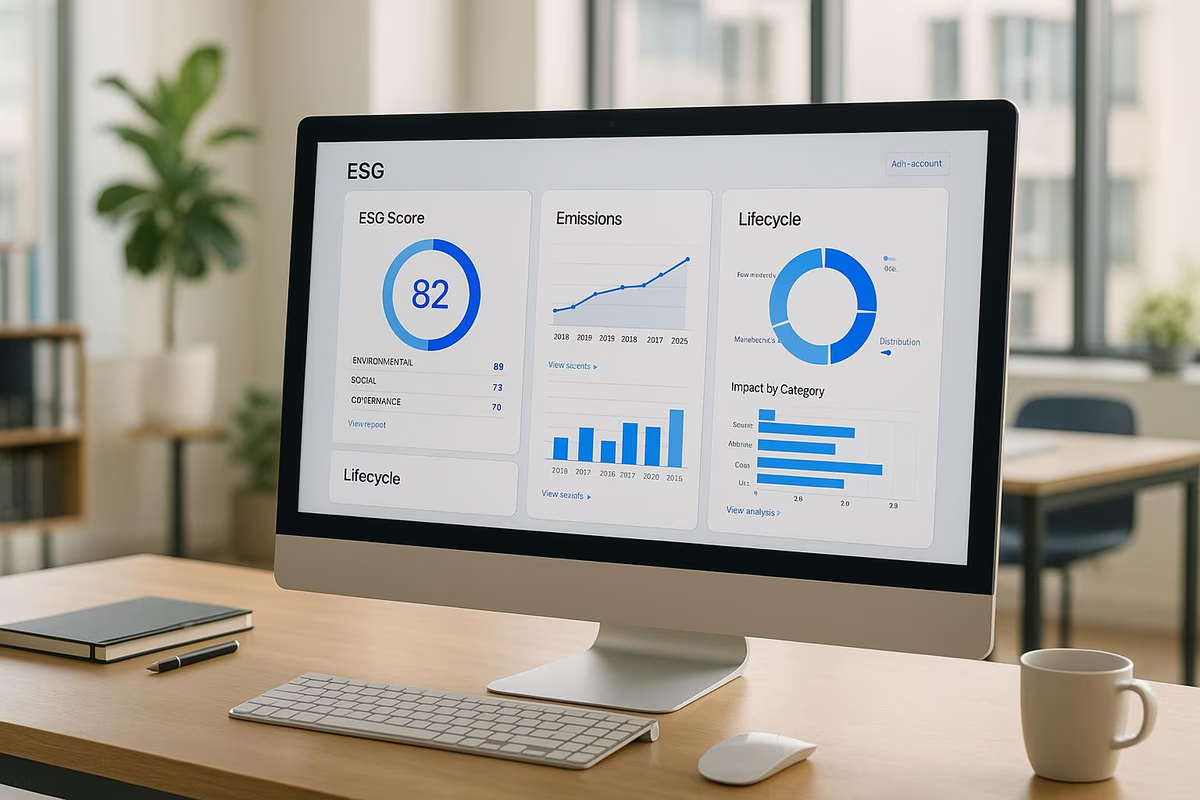
Learn how to create traceable ESG data systems that enhance compliance, accuracy, and stakeholder trust through centralisation and automation.
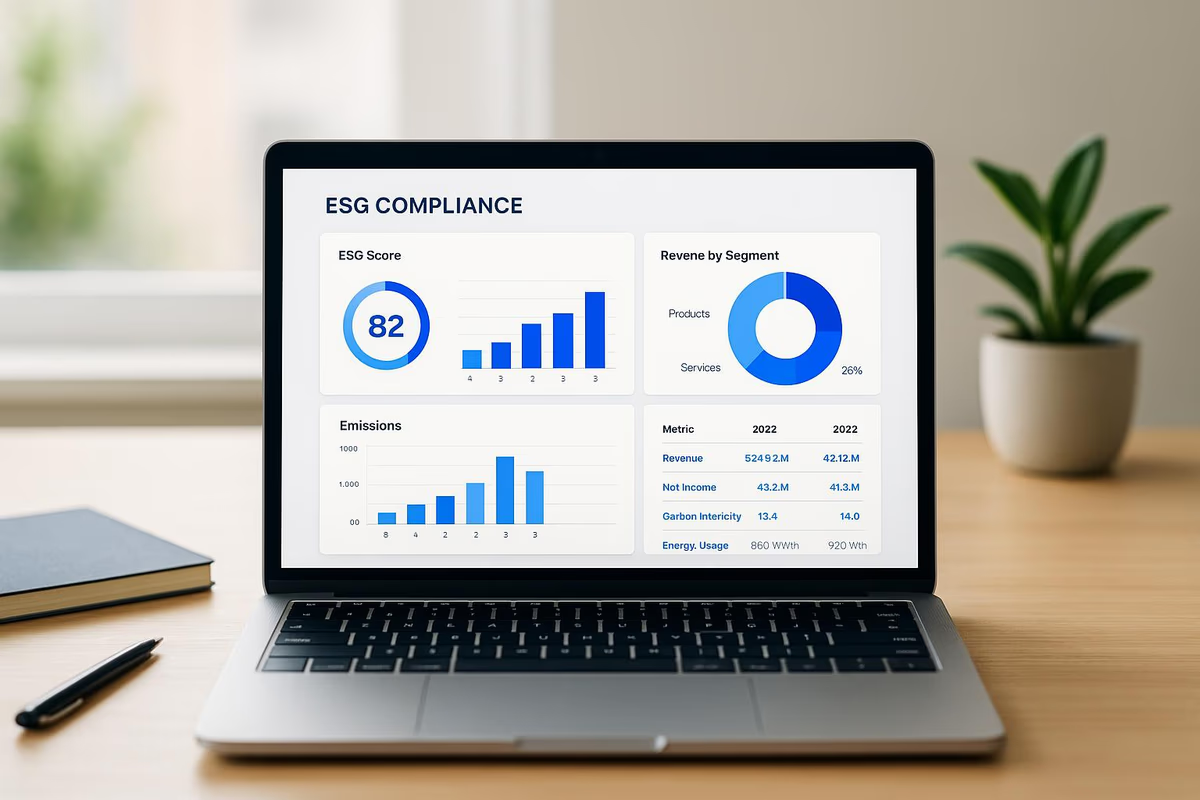
Learn how to effectively review materiality documentation for ESG compliance, enhancing stakeholder trust and business performance.

Explore how AI, IoT, and blockchain are revolutionising SDG data collection and reporting, tackling data gaps and enhancing sustainability efforts.

Explore effective strategies for integrating ESG data with financial reporting to enhance accountability and drive sustainable business practices.
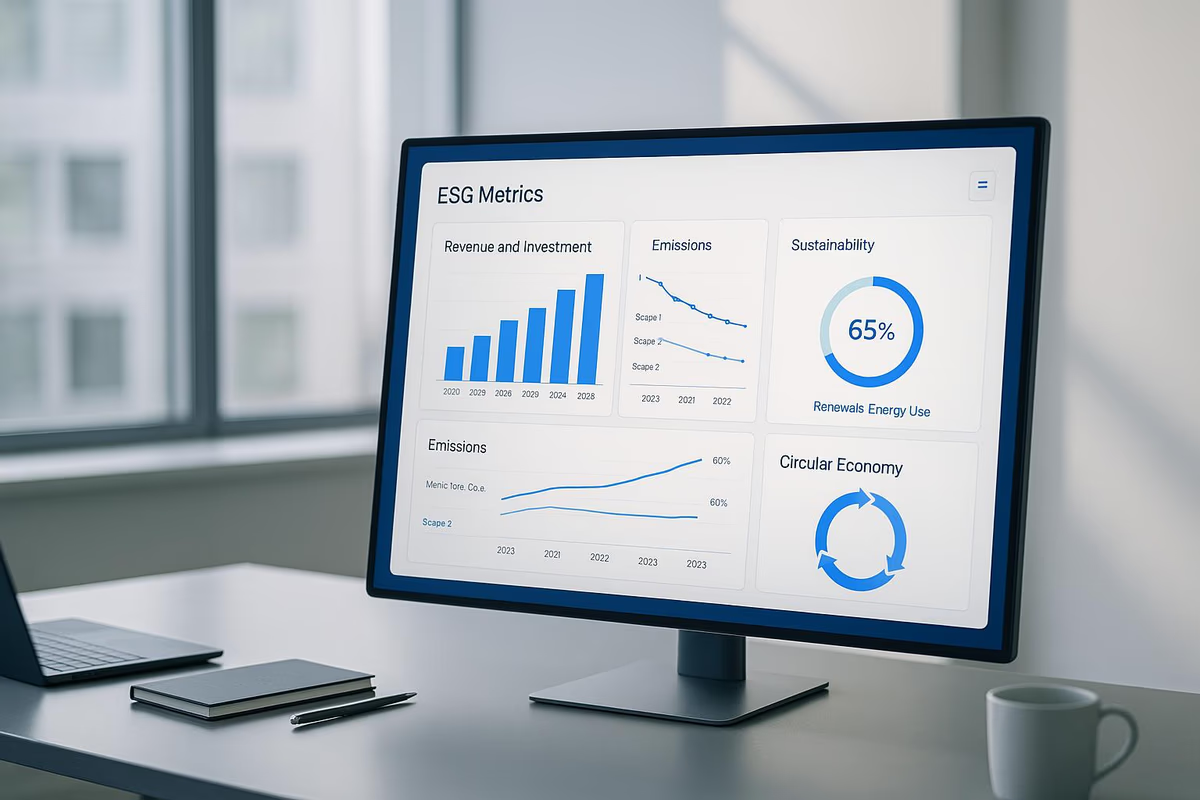
Explore the differences between IFRS S1 and S2 in sustainability reporting, and how these standards impact organizations and stakeholders.
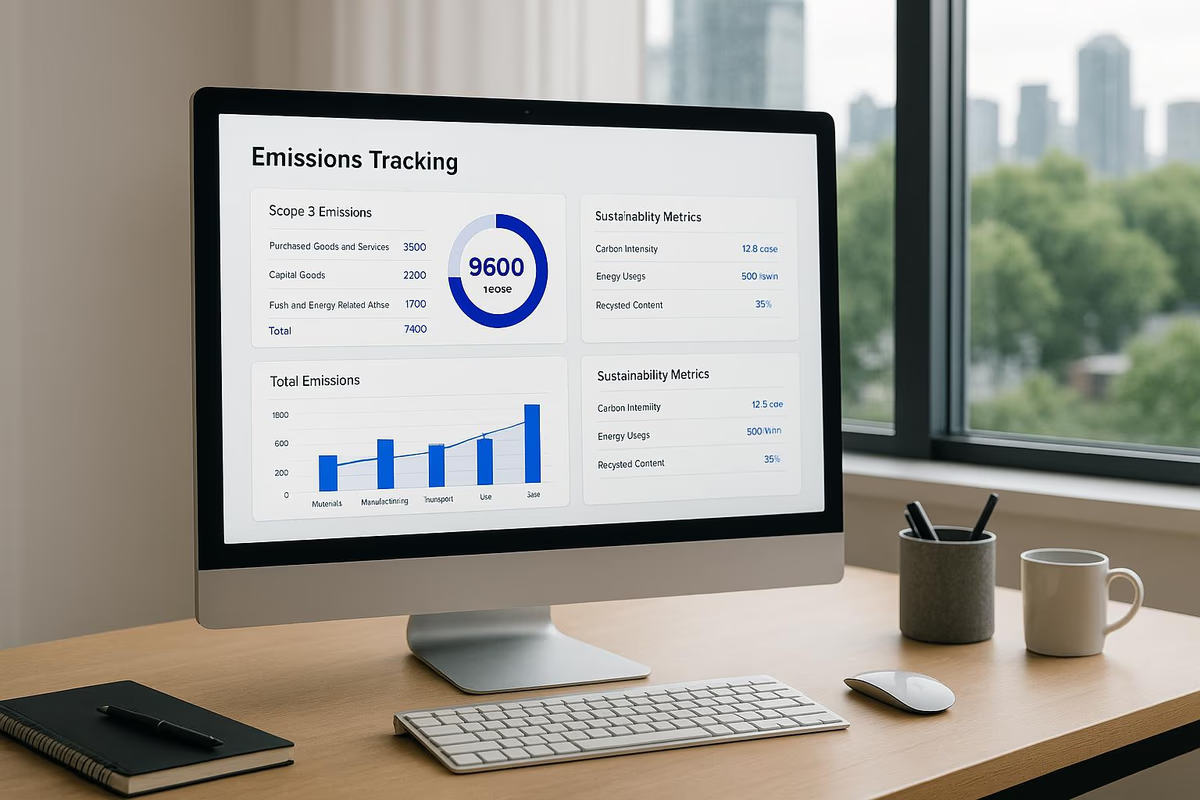
Learn how switching to activity-based data enhances Scope 3 emissions reporting, providing accuracy and compliance for sustainable business practices.

Explore how CFOs can navigate double materiality under the CSRD, transforming compliance into strategic business value through effective data integration and stakeholder engagement.

Learn how to implement real-time ESG tracking to enhance compliance, decision-making, and stakeholder trust in a rapidly evolving regulatory landscape.

Explore the key differences between mandatory and voluntary adoption of IFRS S1 and S2 standards for sustainability disclosures.
A practical breakdown of the key differences between the UK Sustainability Reporting Standards (UK SRS S1 & S2) and the global ISSB baseline (IFRS S1 & S2). Written for accountants in practice and in business, this article explores what’s changed, why it matters, and how to prepare.